
Gigi Salij, printmaker has an upcoming exhibition: The Girlie Show.
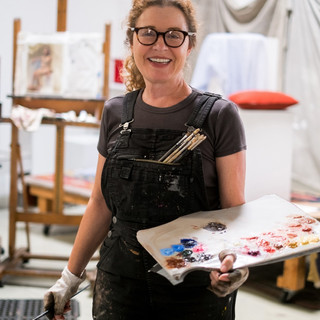


'I named the show after a painting by Edward Hopper, “The Girlie Show,” from 1940 or so. It’s not the most famous Hopper, but it’s been living in my head for many years now. It shows a stripper strutting across a stage at an old-school burlesque show. It’s not a beautiful image, or even an erotic one—more than anything, to me, it suggests a woman who is on display, without agency, participating in somebody’s else show.
I don’t remember exactly when I first saw this painting, but I do remember thinking that every woman is in some kind of girlie show—that is, every woman, whether she wants it or not, is a performer in a kind of pageant of the female. Every girl is born into a performance that was arranged before she arrived, with a script, a costume, and a role already written for her. Resistance isn’t impossible, but it’s difficult.
Later, I began to see that idea sneaking into my work, and eventually I started concentrating on that idea more explicitly.'
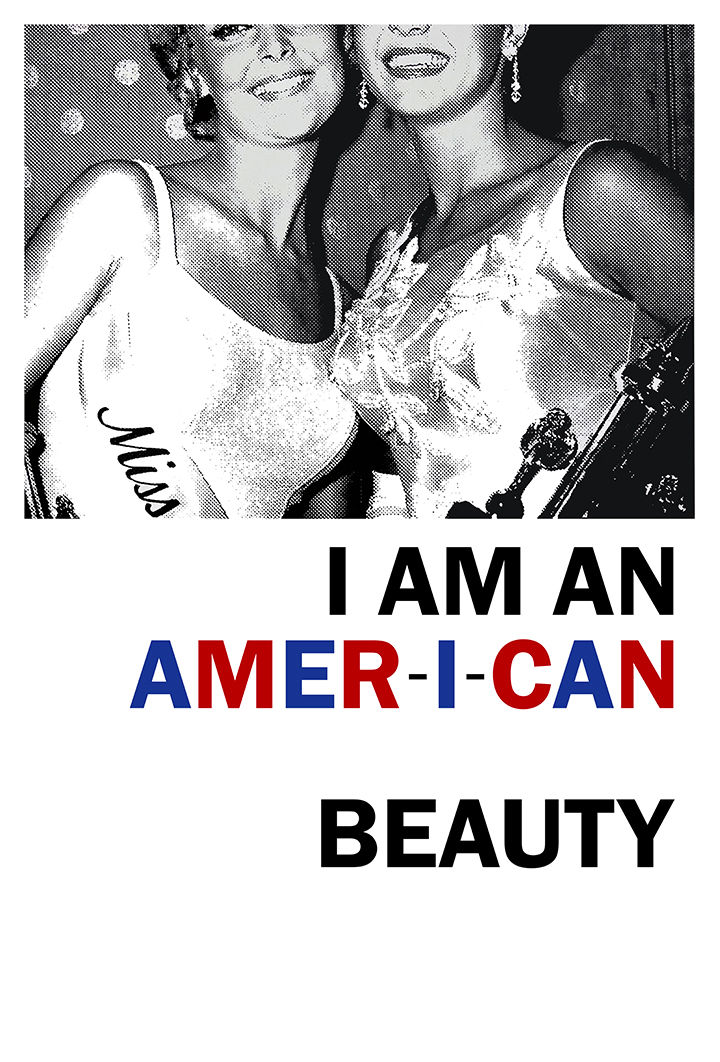
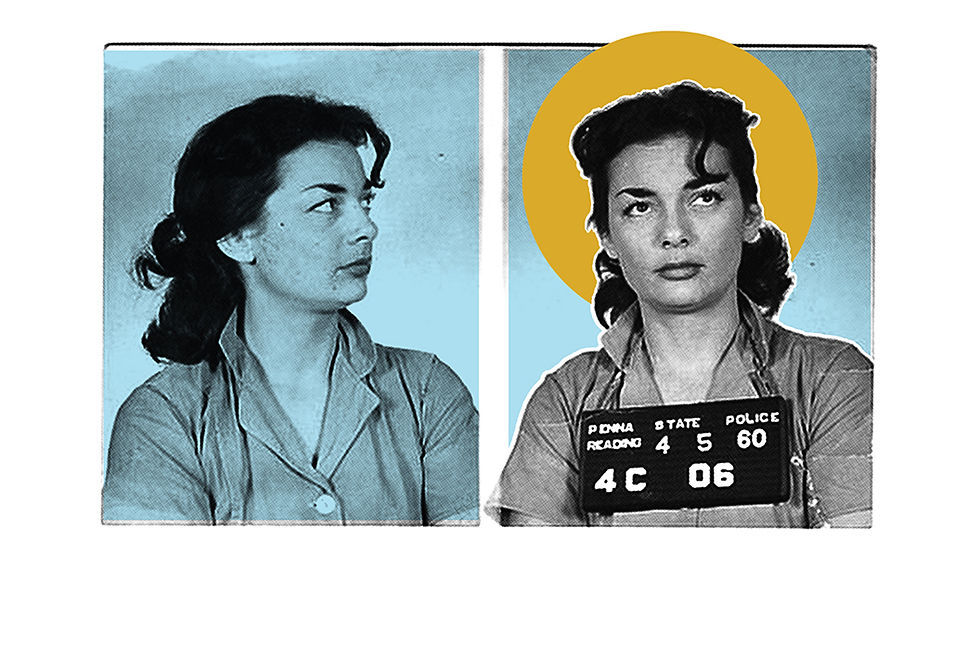
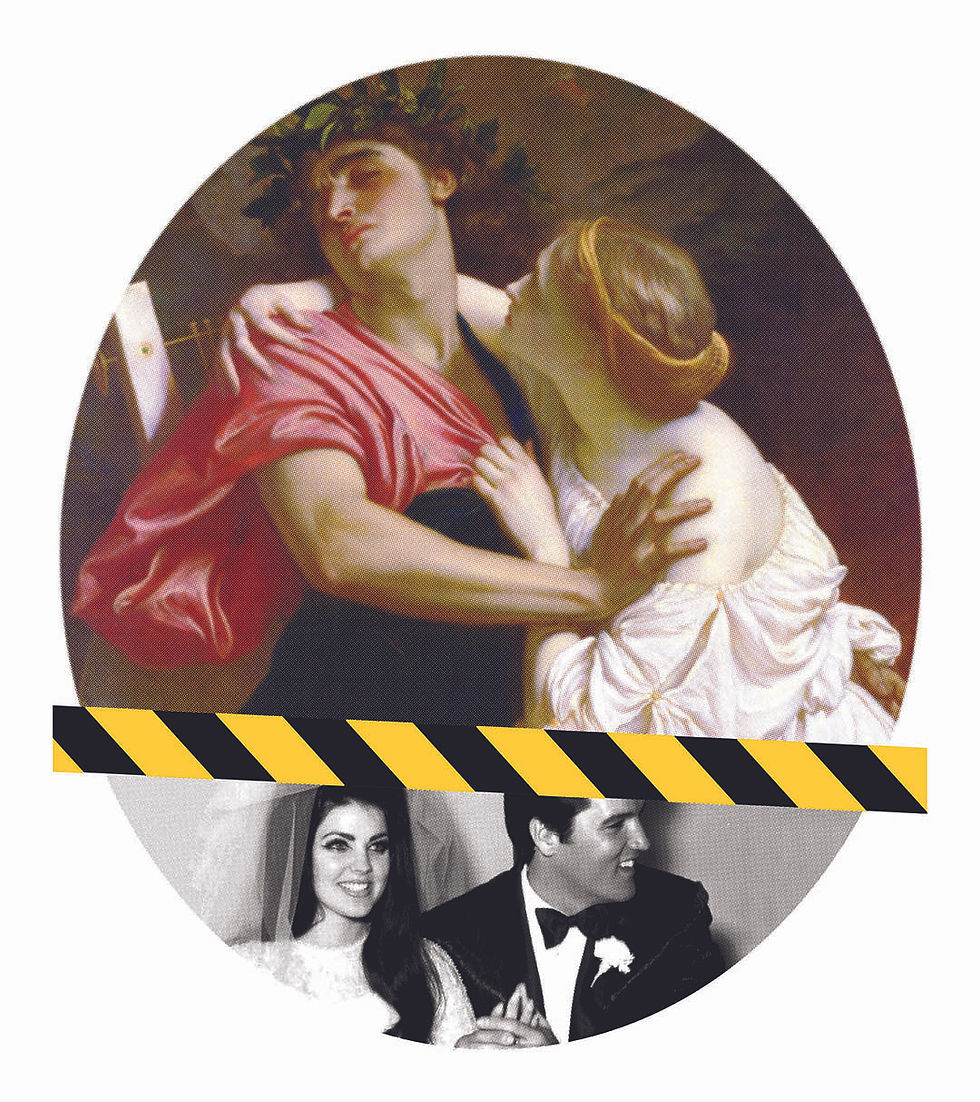
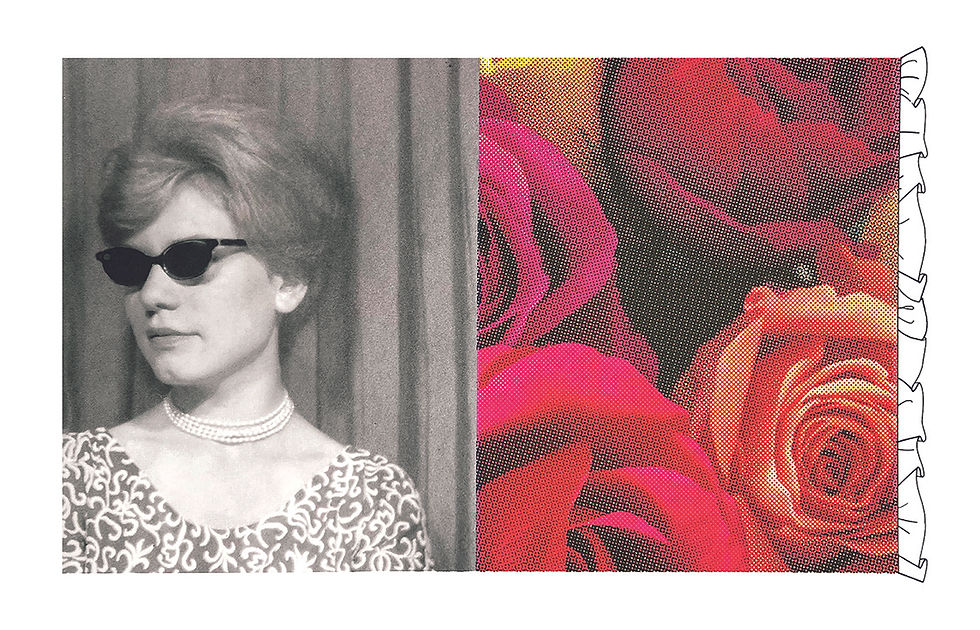
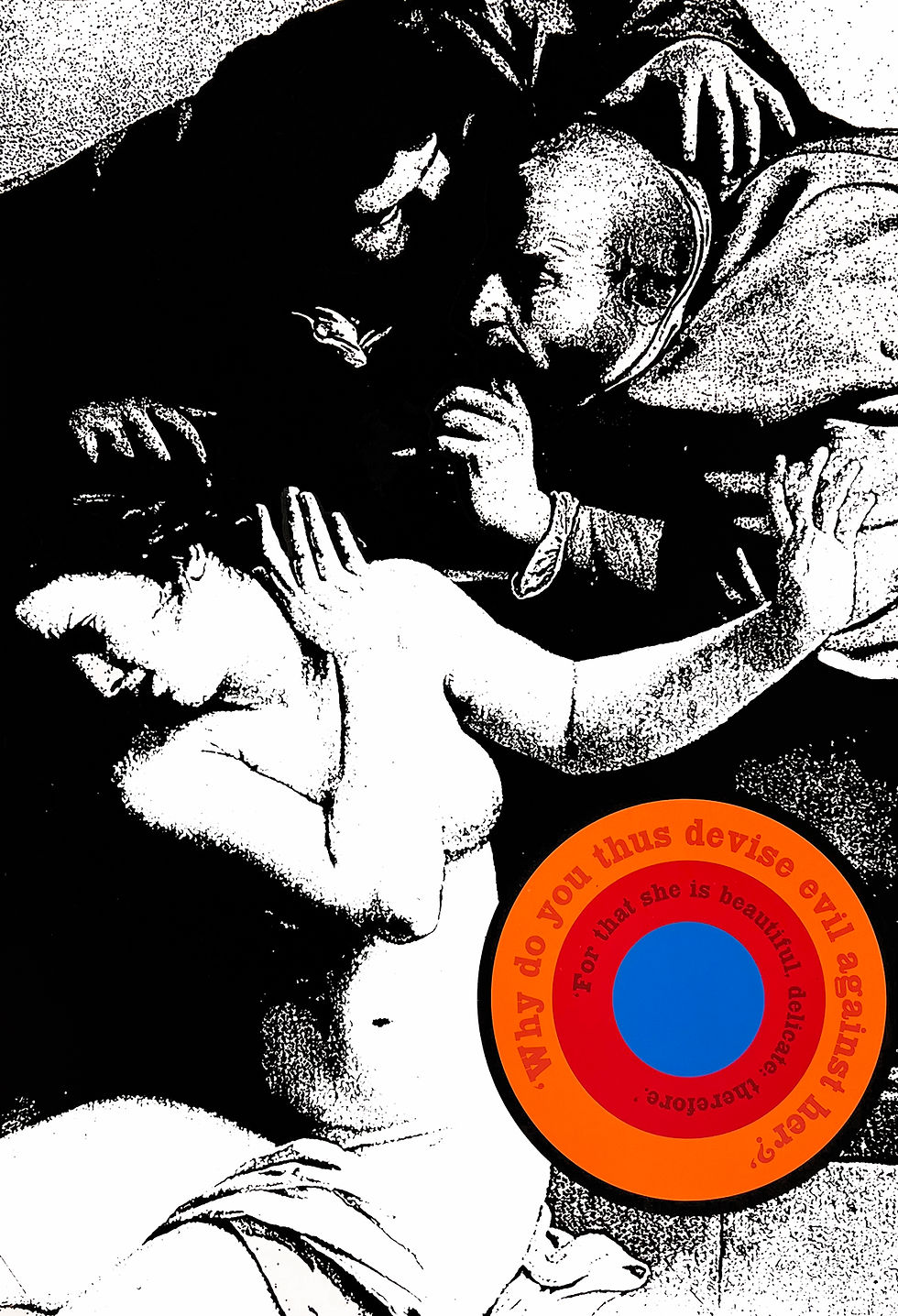
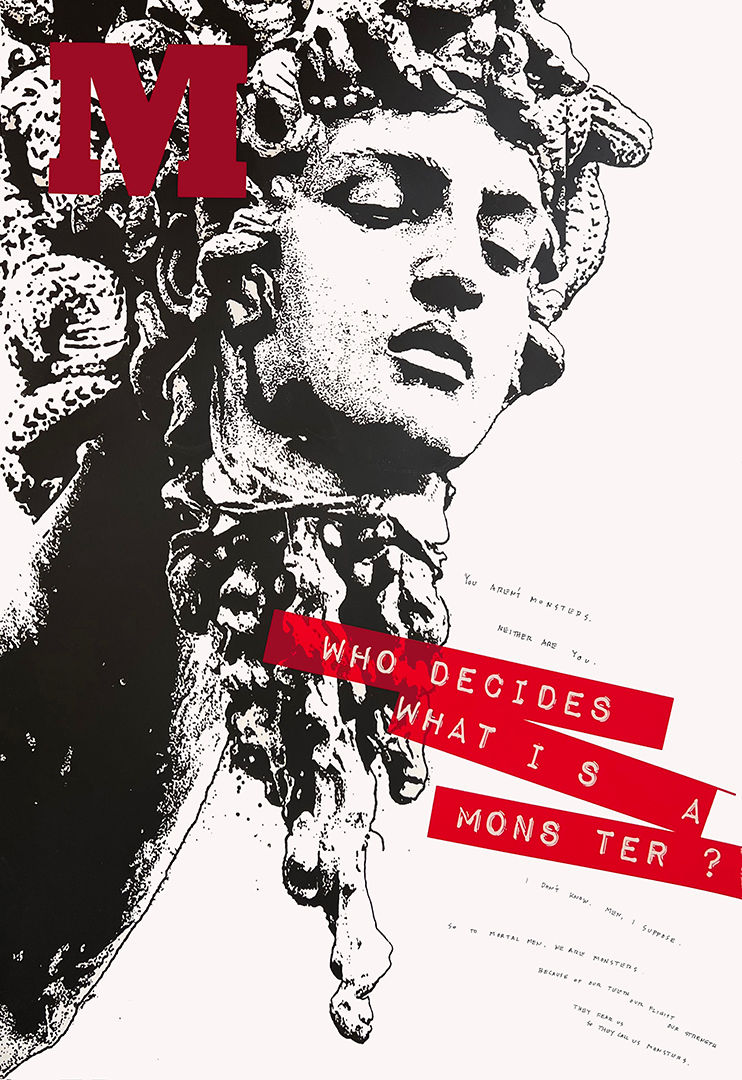
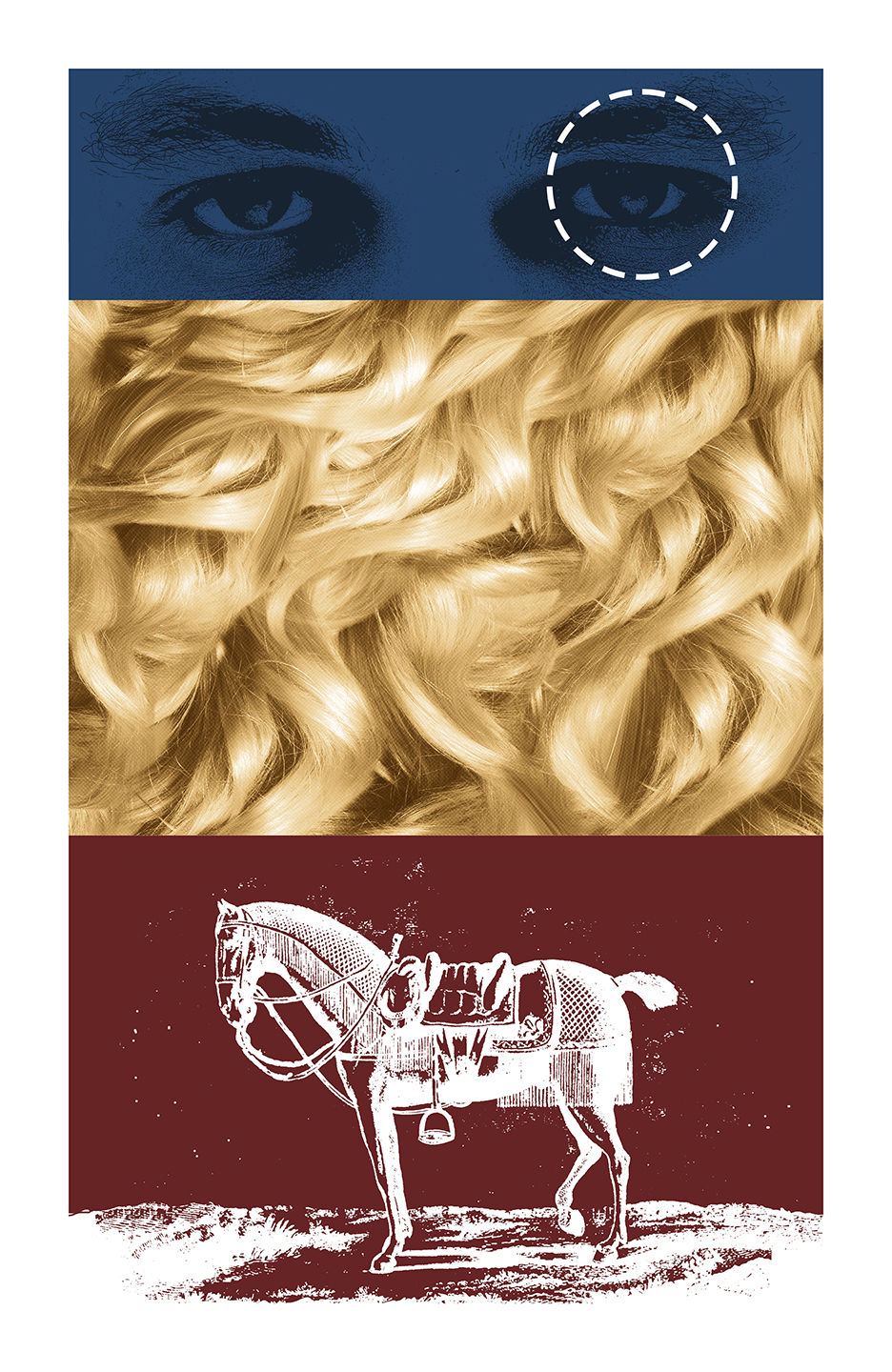
'The show is mostly framed screen prints and posters, along with one sculpture, which was an experiment for me. Most of the pieces are re-presentations of famous paintings, sculptures, and photos of women, or re-presentations of their stories: Venus, Medusa, Susanna, Eurydice, Lucrecia, Godiva, Miss America, the Judgment of Paris. They’re a good starting point, I think, since the stories of these women are well-known, but leave room for re-interpretation and re-presentation.
The stories we know about these women are almost always taken from a masculine perspective—not surprising, since we have inherited a patriarchal culture that has a tendency to ignore or erase the feminine perspective, even in stories where women are front and center. With these pieces, I aim to challenge, or interrogate, or present these stories in a way that introduces a new reading, one that highlights this criticism, and re-considers the story from a feminine point of view.
To be clear, this is not an original idea of mine. I was inspired and informed by poets and writers who thought about this well before I did. Margaret Atwood wrote an amazing series of poems about Orpheus, told from the perspective of Eurydice—who would rather stay dead than return to live in Orpheus’ narcissistic orbit. Carol Ann Duffy wrote a whole collection of sharp poems from the perspective of women who lived in the shadows of famous men—Circe, Delilah, Little Red Riding Hood, the wife of Freud, and others. Natalie Haynes wrote an amazing book called Stone Blind, that re-tells the deeply misogynistic story of Medusa from a feminist perspective. I was also very directly inspired by the paintings of Artemisia Gentileschi, the baroque painter who herself was a victim of sexual violence, and who created really powerful paintings of female heroes, and really poignant expressions of feminine rage—two of the pieces in the show are riffs on her paintings.
The idea I hope to impart is that Medusa's monstrousness, or Eurydice’s adoration, or Susanna’s modesty, or Lucretia’s rectitude, or Godiva’s shame, or the vanity and jealousy of the goddesses, whatever—these are not just relics of old stories, but templates that are pressed onto all women, through folklore, high culture, and popular culture. The pervasiveness of these stories makes them unavoidable. You see them whether you look at Kim Kardashian or a Disney princess.'

'About ten years ago, I saw an astonishing, comprehensive show of the work of Sister Corita Kent, and right then I decided that I wanted to learn to screen print. Sister Corita’s work was radical in a lot of ways—in content, of course, but also in the free ways that she combined graphics and type and photographs to communicate. So I found a continuing education class in screen printing at Otis College of Art, and later at SVA, and I learned.
I’ll admit, screen printing is definitely not the prestige end of printmaking, like lithography or intaglio or whatever. It’s easy to learn, intuitive, and it doesn’t require a lot of specialized equipment or complicated chemicals or process—if you want, you can screen print with your kids in your kitchen. And it’s definitely associated with some low-born, industrial output: your pizza delivery box was probably screen-printed, and probably your t-shirt too, if it has a graphic on it.
But for me, the real attraction of screen printing is that it feels like the language of announcement, signage, and especially protest. A screenprint has a quality that says “look at me, I have something to say to you”—it lives somewhere between art and graphic design. Sister Corita showed us the way on that: her art was her activism, and I was drawn to that.'
Gigi Salij is a printmaker and collage artist, living and working in Los Angeles and New York City. Her work employs pop-culture imagery to engage issues of social justice, consumerism, and the feminist project (as well as many far less serious subjects).
Her new exhibition, “The Girlie Show,” aims to highlight and re-present received accounts of women from history, mythology, and popular culture. It opens October 2 at the Pool Art Center Gallery at Drury University in Springfield, Missouri.
She is a graduate of Swarthmore College and Harvard University, and has served on the faculty of Art Center College of Design in Pasadena, California.


Website: www.gigisalij.com
instagram: @gigisalij


Comments